
FizziQ



Empower students and educators to explore physical phenomena, capture real-time sensor data, and build comprehensive scientific notebooks for interactive STEM learning.
Publisher
Category
EducationDownloads
180K+User Rating
Total Ratings
200Locales
1Discover the interface used by 180K+ users.
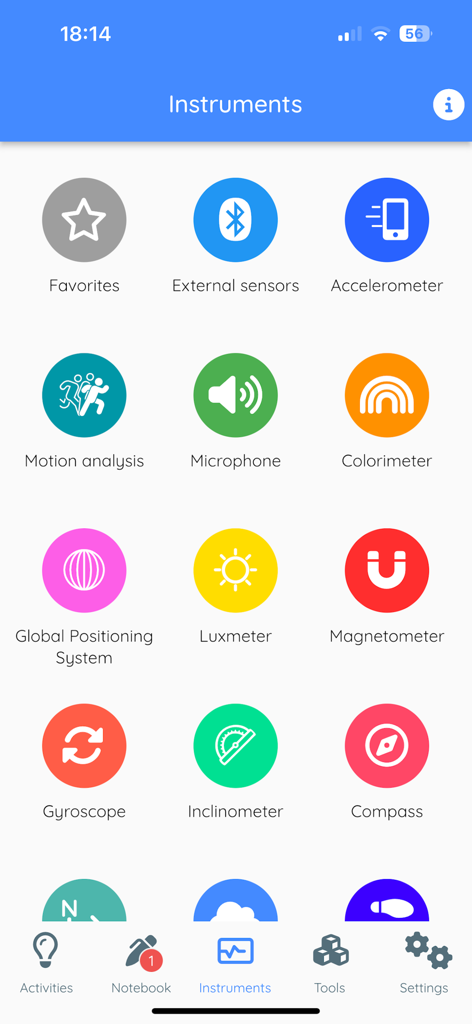
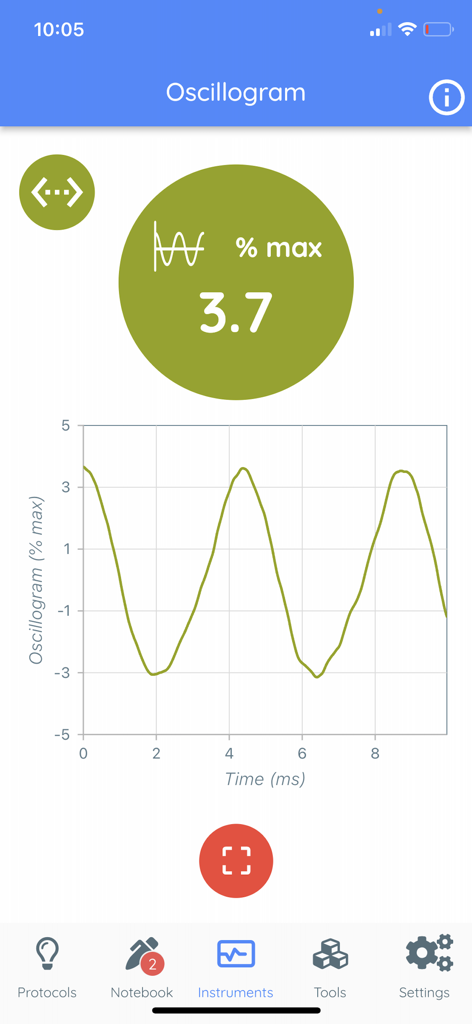
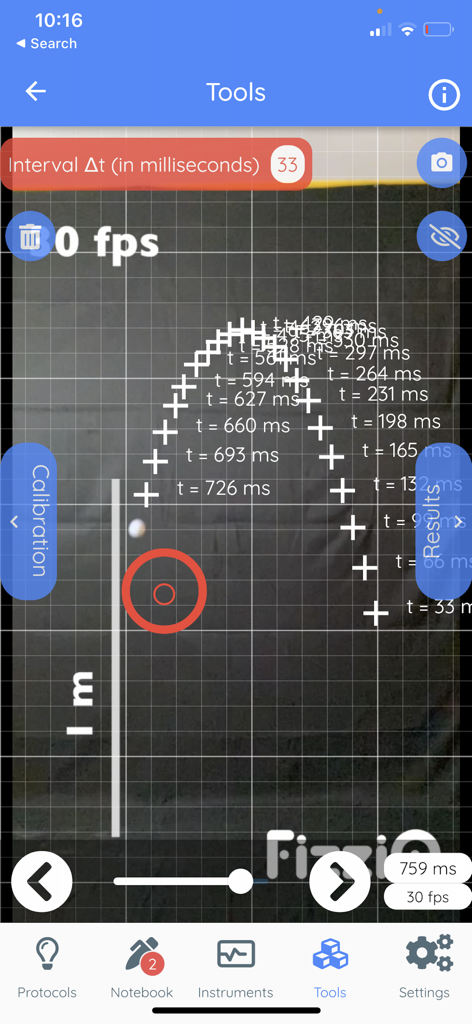
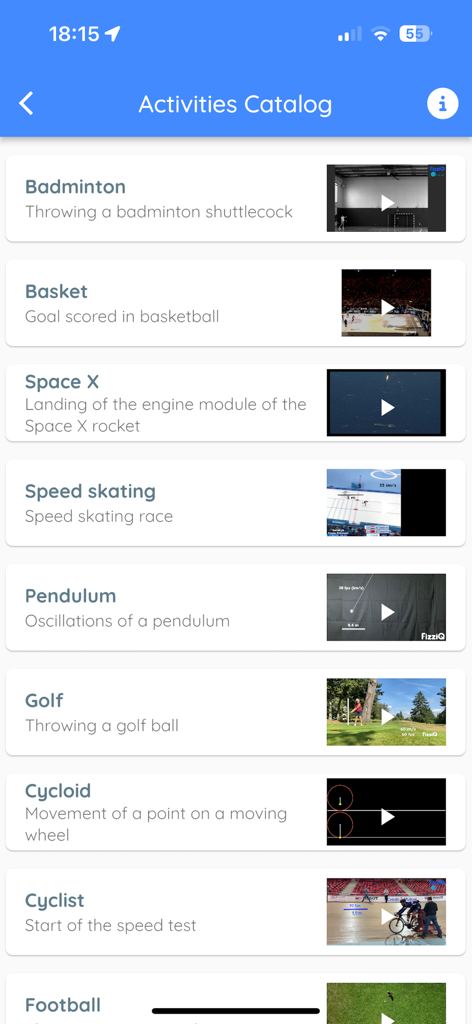
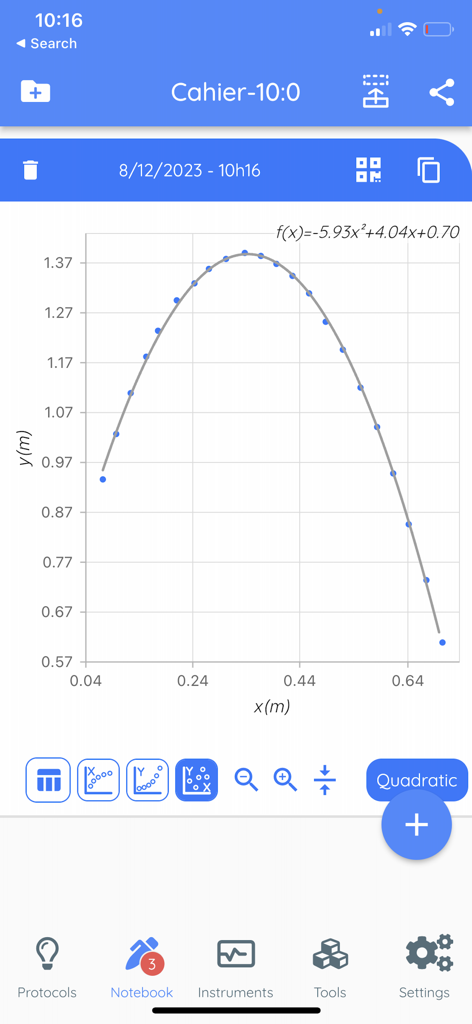
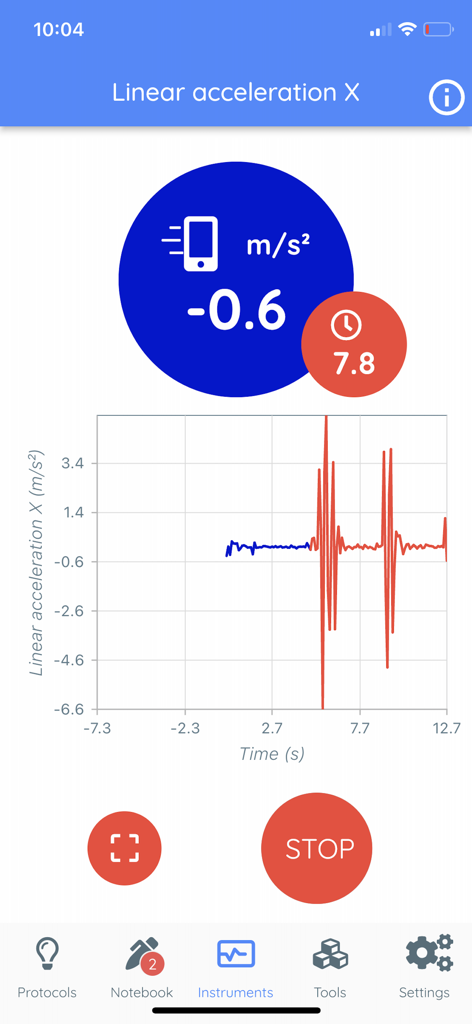
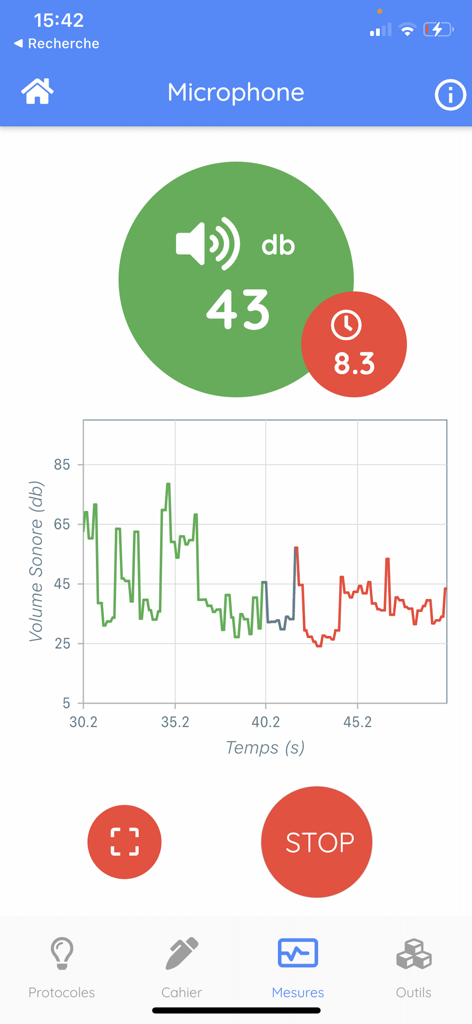
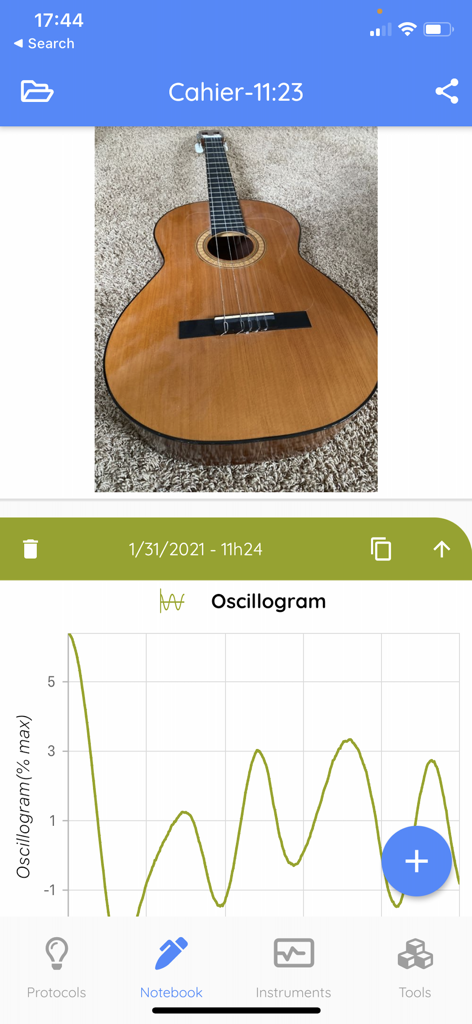
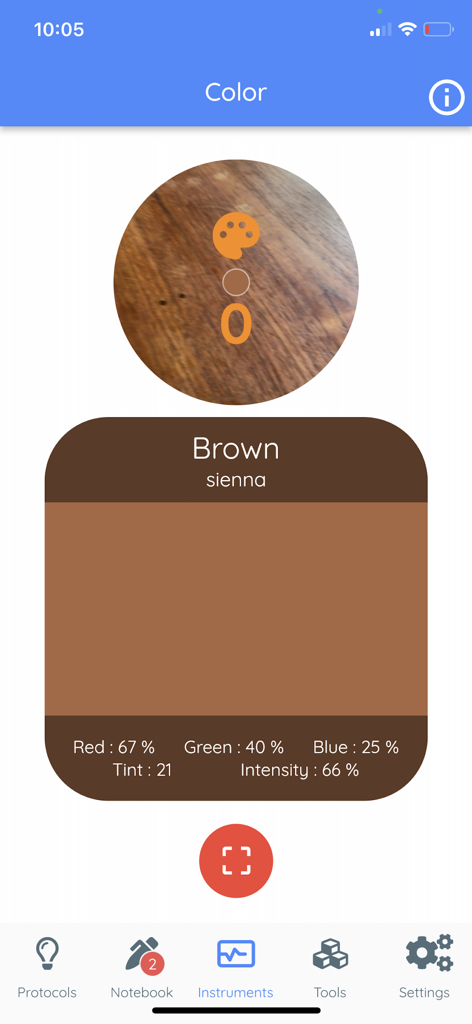
The tools that make this app stand out, trusted by 180K+ users.
Capture and visualize data from over 30 sensors including acceleration, light, and frequency to analyze physical phenomena instantly.
Document findings with text, photos, and graphs. Export your work as PDF, CSV, or Python files for professional reporting and analysis.
Follow or create step-by-step experiment guides shared via QR codes, fostering student autonomy and inquiry-based learning.
Trusted by 180K+ people who love this app.
"FizziQ has completely transformed my physics lab. Instead of expensive, bulky equipment, my students use their own devices to track kinematics and sound frequency in real-time. The digital notebook and PDF export features make grading a breeze while teaching them real-world data literacy."
"This app is basically a lab in my pocket. I used the magnetometer and accelerometer for a DIY robotics project, and the data export to Python helped me finish my science fair presentation in record time. It is way more intuitive than any other sensor app I have tried."
Everything you need to know about FizziQ.
Description
Latest Version
5.0.8
Size
103.0 MB
First Released
Feb 9, 2021
Join 180,000+ educators and students exploring physics in real-time. Download FizziQ for free and start your next experiment today.
Everything you need to know about FizziQ
FizziQ is an application that allows students, teachers, and educators to explore physical phenomena and conduct scientific activities. It uses built-in smartphone sensors and supports external sensors for experimental exploration.
FizziQ uses built-in smartphone and tablet sensors, including accelerometers, microphones, colorimeters, GPS, luxmeters, and magnetometers. It also supports external sensors like micro:bit and Arduino.
Yes, FizziQ analyzes motion through video and chronophotography. It also offers specific instruments like the Accelerometer and Gyroscope for detailed motion data acquisition and analysis.
Yes, FizziQ supports a wide range of external sensors, including micro:bit, Arduino, CO₂, and temperature sensors, to deepen experimental exploration beyond built-in device capabilities.
FizziQ includes a Scientific Notebook module to build complete scientific notebooks. Users can integrate text, photos, tables, graphs, and formulas, and export their work in various formats.
FizziQ allows users to export their scientific notebook work in PDF, CSV, Python, or FIZ formats. This facilitates sharing and further analysis of experimental data.
Yes, FizziQ enables users to create, edit, or follow interactive experimental protocols. These protocols are easily shared with others via QR codes for collaborative learning.
FizziQ provides a full-featured toolkit for scientific experimentation, including an interval timer, simultaneous sensor recording, sound and color synthesizers, triggers, and calibration functions.
Yes, FizziQ can investigate sound and light phenomena. It features instruments like the Microphone and Luxmeter to record and visualize sound and light spectra.
Yes, FizziQ promotes global accessibility for science education. The application is available in over 15 languages, supporting a diverse user base.
Yes, FizziQ includes a Colorimeter instrument that allows for color analysis. It can provide details such as Red, Green, Blue percentages, tint, and intensity values.
Yes, FizziQ offers an Activities Catalog with pre-defined experiments. Examples include 'Badminton,' 'Space X,' 'Pendulum,' and 'Cycloid' to facilitate learning and exploration.
Apps with similar features and user experience

Carlos Balsalobre

PitchLab AI, Inc.

Carlos Balsalobre

Voigt, Plewnia & Leite Photo Finish GbR

QualiaOS, Incorporated

Sten Kaiser

michal bojanowicz

RWTH Aachen University

小花 胡