
PlantNet

PlantNet

ダウンロード: App Store
Spark by MWM logo
ロゴ: PlantNet

PlantNet: 植物を瞬時に識別し、グローバル市民科学を推進

写真を撮って、あなたの周りの植物を発見し、自然愛好家のグローバルコミュニティに参加しましょう。あなたの観察は、識別するだけでなく、科学者が地球の生物多様性を追跡し、保護するのに役立ちます。

ダウンロード: App Store

開発元

CTRE COOP INTERNAT RECHERCHE AGRO DEV

カテゴリ

Education

ダウンロード

15M+

ユーザー評価

4.6/5

評価数

33K+

対応言語

41

あなたの指先にある自然

このインターフェースを利用する 15M+ 人のユーザー.

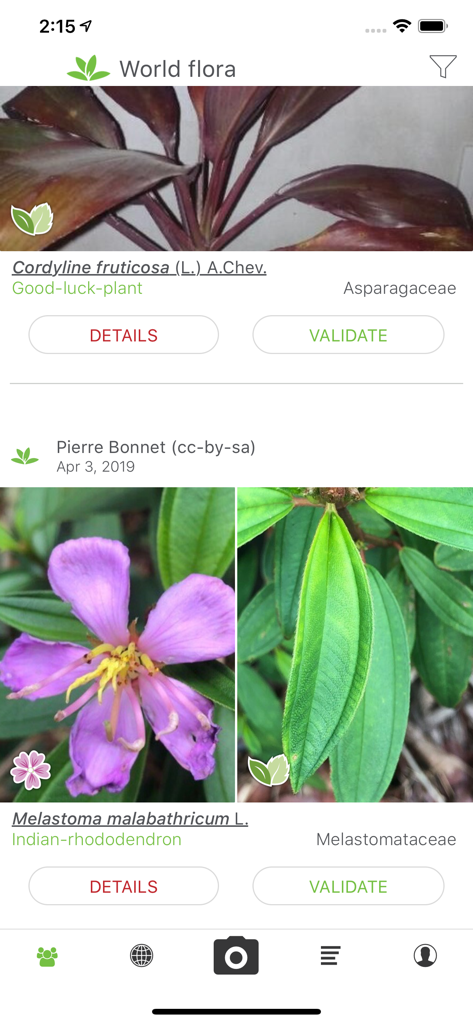
PlantNetモバイルアプリの画面に、科学名と写真とともに識別された植物が表示されています

PlantNetモバイルアプリの画面に、科学名と写真とともに識別された植物が表示されています

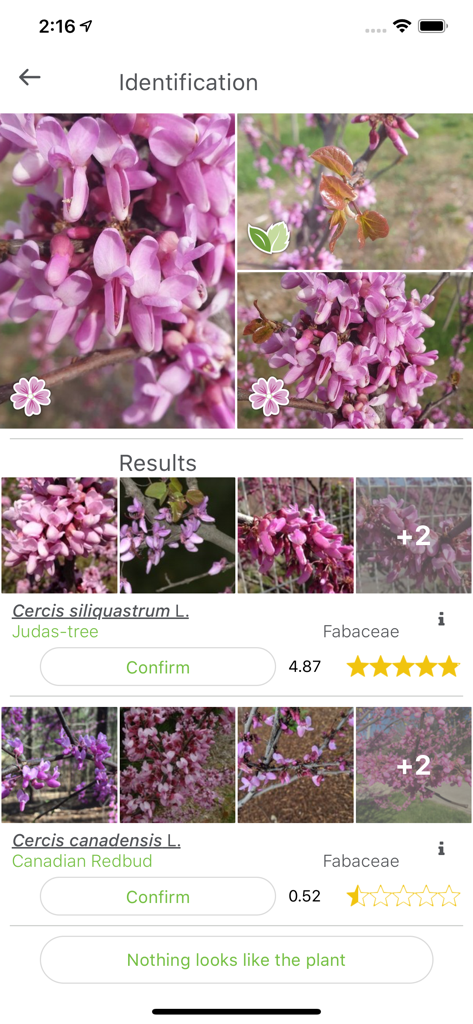
PlantNetアプリの画面に、 Judas tree の識別結果が科学名と写真とともに表示されています

PlantNetアプリの画面に、 Judas tree の識別結果が科学名と写真とともに表示されています

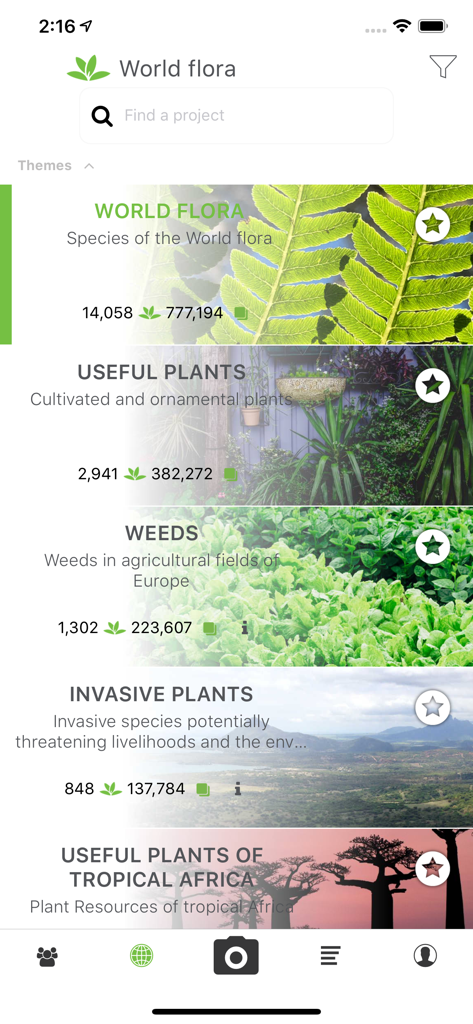
PlantNetアプリの画面に、世界植物相や外来植物など、植物学プロジェクトのリストが表示されています

PlantNetアプリの画面に、世界植物相や外来植物など、植物学プロジェクトのリストが表示されています

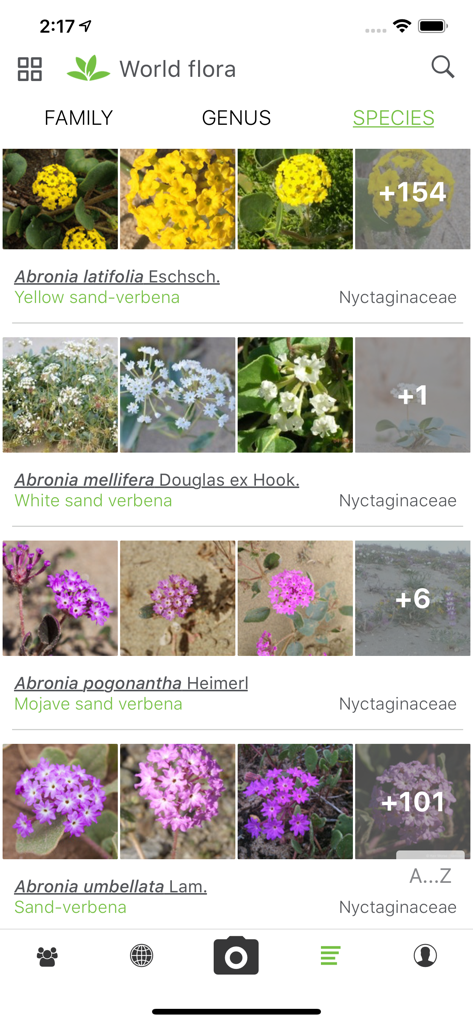
PlantNetアプリのインターフェースに、世界植物相の識別に関する科学名と写真付きの植物種リストが表示されています

PlantNetアプリのインターフェースに、世界植物相の識別に関する科学名と写真付きの植物種リストが表示されています

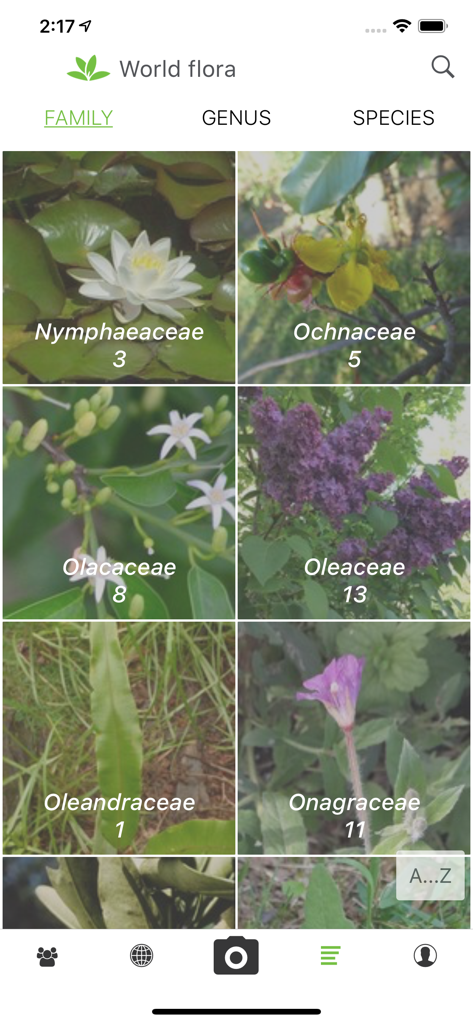
PlantNetアプリのインターフェースに、世界植物相セクションの下に、写真と種数を含む植物科のグリッドが表示されています

PlantNetアプリのインターフェースに、世界植物相セクションの下に、写真と種数を含む植物科のグリッドが表示されています

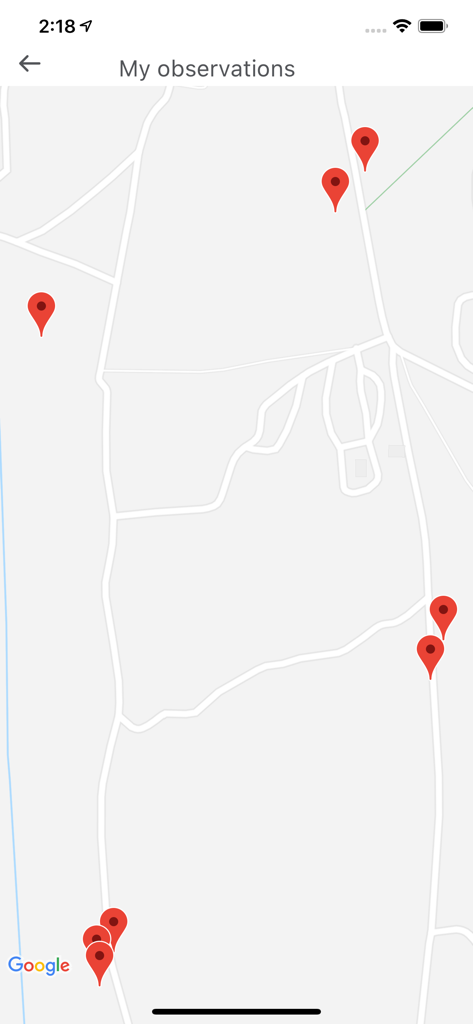
PlantNetアプリ内の地図画面に、記録された植物の観察場所を示す赤いピンが表示されています

PlantNetアプリ内の地図画面に、記録された植物の観察場所を示す赤いピンが表示されています

自然の秘密を解き明かす

このアプリを際立たせるツール、 15M+ 人のユーザーが選択.

📸

瞬時の視覚認識

葉、花、果物の写真を撮るだけで、巨大なデータベースから科学的に裏付けられた即時の識別結果が得られます。

🌍

影響力のある市民科学

あなたが共有するすべての観察は、世界中の科学者が地球の生物多様性をより良く理解し、保護するための貴重なデータとなります。

🧠

深い植物学知識

名前を超えて、好奇心旺盛な生涯学習者のために設計された詳細なファクトシート、ファミリーフィルター、マッピングツールを活用しましょう。

世界中のユーザーに愛されています

Trusted by 15M+ 人がこのアプリを愛用しています.

"

"熱心なハイカーとして、このアプリはトレイルでの私の経験を完全に変えました。まるで、プロの植物学者が常にポケットにいるようです。私の写真は、単なる好奇心のためだけでなく、科学者が地球の生物多様性を追跡するのに実際に役立つのが気に入っています。希少な野花でさえ、その精度は信じられないほどです。"

Sarah Jenkins
"

"多くの植物識別アプリを試しましたが、PlantNetはその科学的厳密さとコミュニティ主導の検証で際立っています。サブスクリプション販売だけでなく、教育と保全に焦点を当てたツールを使用できるのは爽快です。私の街にある「歩道の植物」を識別することが、私のお気に入りの週末の趣味になりました。"

David Chen

アプリについて

について知っておくべきこと PlantNet.

説明

Pl@ntNet is an application that allows you to identify plants simply by photographing them with your smartphone. Very useful when you don't have a botanist on hand! Pl@ntNet is also a great citizen science project: all the plants you photograph are collected and analysed by scientists around the world to better understand the evolution of plant biodiversity and to better preserve it. Pl@ntNet allows you to identify and better understand all kinds of plants living in nature: flowering plants, trees, grasses, conifers, ferns, vines, wild salads, cacti (and many more). Pl@ntNet can also identify a large number of cultivated plants (in parks and gardens) but this is not its primary purpose. We especially need Pl@ntNet’s users to inventory the wild plants, those that you can observe in nature, but also those that grow on the sidewalks of cities or in the middle of your vegetable garden! The more visual information you give to Pl@ntNet about the plant you are observing, the more accurate the identification will be. There are indeed many plants that look alike from afar and it is sometimes small details that distinguish two species of the same genus. Flowers, fruits and leaves are the most characteristic organs of a species and it is them that should be photographed first. But any other detail can be useful, such as thorns, buds or hair on the stem. A photograph of the whole plant is also very useful information, but it is often not sufficient to allow a reliable identification. At present, Pl@ntNet makes it possible to recognize about 20,000 species. We are still a long way from the 360,000 species living on earth, but Pl@ntNet is getting richer every day thanks to the contributions of the most experienced users among you. Don't be afraid to contribute yourself! Your observation will be reviewed by the community and may one day join the photo gallery illustrating the species in the application. The new version of Pl@ntNet released in January 2019 includes many improvements and new features: -The ability to filter recognized species by genus or family. -The differentiated data revision that gives more weight to users who have demonstrated the most skills (in particular the number of species observed, validated by the community). -The re-identification of shared observations, whether yours or those of other users of the application. -The multi-flora identification that allows you to search for the photographed plant in all the flora of the application and not only in the one you have selected. Very useful when you are not sure what flora to look for. -The selection of your favorite floras to access them more quickly. -The navigation at different taxonomic levels in image galleries. -The mapping of your observations. -Links to many factsheets. The web version of the application is also available at the following address: https://identify.plantnet.org/

最新バージョン

3.23.4

サイズ

72.5 MB

リリース日

2013年2月15日

市民科学者としての旅を始めましょう

今すぐPlantNetをダウンロードして、あなたの周りの世界を識別し、あなたの観察をグローバルな生物多様性研究に貢献しましょう。

ダウンロード: App Store
FAQ

よくある質問

について知っておくべきこと PlantNet

PlantNetとは何ですか?どのように機能しますか?

PlantNetは、スマートフォンで撮影した写真から植物を識別するアプリケーションです。市民科学プロジェクトとして機能し、科学者が世界中で植物の多様性を理解するためにデータを収集・分析しています。

PlantNetは写真からどのように植物を正確に識別しますか?

PlantNetはスマートフォンの写真の分析によって植物を識別します。花、果実、葉、棘、つぼみなど、多様な視覚情報を提供することで、識別結果の精度が大幅に向上します。

PlantNetはいくつの植物種を識別できますか?

PlantNetは現在、約20,000種の植物を認識しています。この数は、経験豊富なユーザーからの活発な貢献と、検証されたコミュニティの観察によって日々継続的に増強されています。

PlantNetは栽培植物を識別できますか?

はい、PlantNetは公園や庭で見られる多くの栽培植物を識別します。しかし、その主な機能は、自然または都市環境で観察された野生植物の目録を作成することです。

2019年のアップデートでPlantNetに追加された新機能は何ですか?

2019年1月のPlantNetアップデートでは、属/科による種フィルタリング、データ改訂の差別化、共有された観察の再識別、複数植物の識別、観察のマッピングが追加されました。また、ファクトシートへのリンクも含まれています。

PlantNetは植物の観察のためのマッピング機能を提供していますか?

はい、PlantNetではユーザーは自分の観察をマッピングできます。2019年1月に導入されたこの機能は、ユーザーが植物を識別し文書化した場所を視覚的に表示します。

PlantNetで属または科によって植物種をフィルタリングできますか?

はい、PlantNetではユーザーは科または属によって識別された植物を閲覧およびフィルタリングできます。このアプリケーションは、画像ギャラリー内の分類学的レベルのナビゲーションを容易にします。

PlantNetは市民科学とコミュニティの貢献をどのように利用していますか?

PlantNetは市民科学プロジェクトです。ユーザーは植物の写真を投稿し、科学者がそれを収集・分析します。観察結果はコミュニティによってレビューされ、アプリのデータベースが強化されます。

PlantNetのウェブ版は利用可能ですか?

PlantNetの公式ウェブ版はhttps://identify.plantnet.org/でアクセスできます。これは、植物の識別とコミュニティエンゲージメントのためのオンラインプラットフォームを提供します。

PlantNetの植物識別精度を向上させる視覚的な詳細は何ですか?

PlantNetの識別精度は、より詳細な視覚情報によって向上します。花、果実、葉などの特徴的な器官の写真は、信頼性の高い種の違いを識別するのに最も役立ちます。